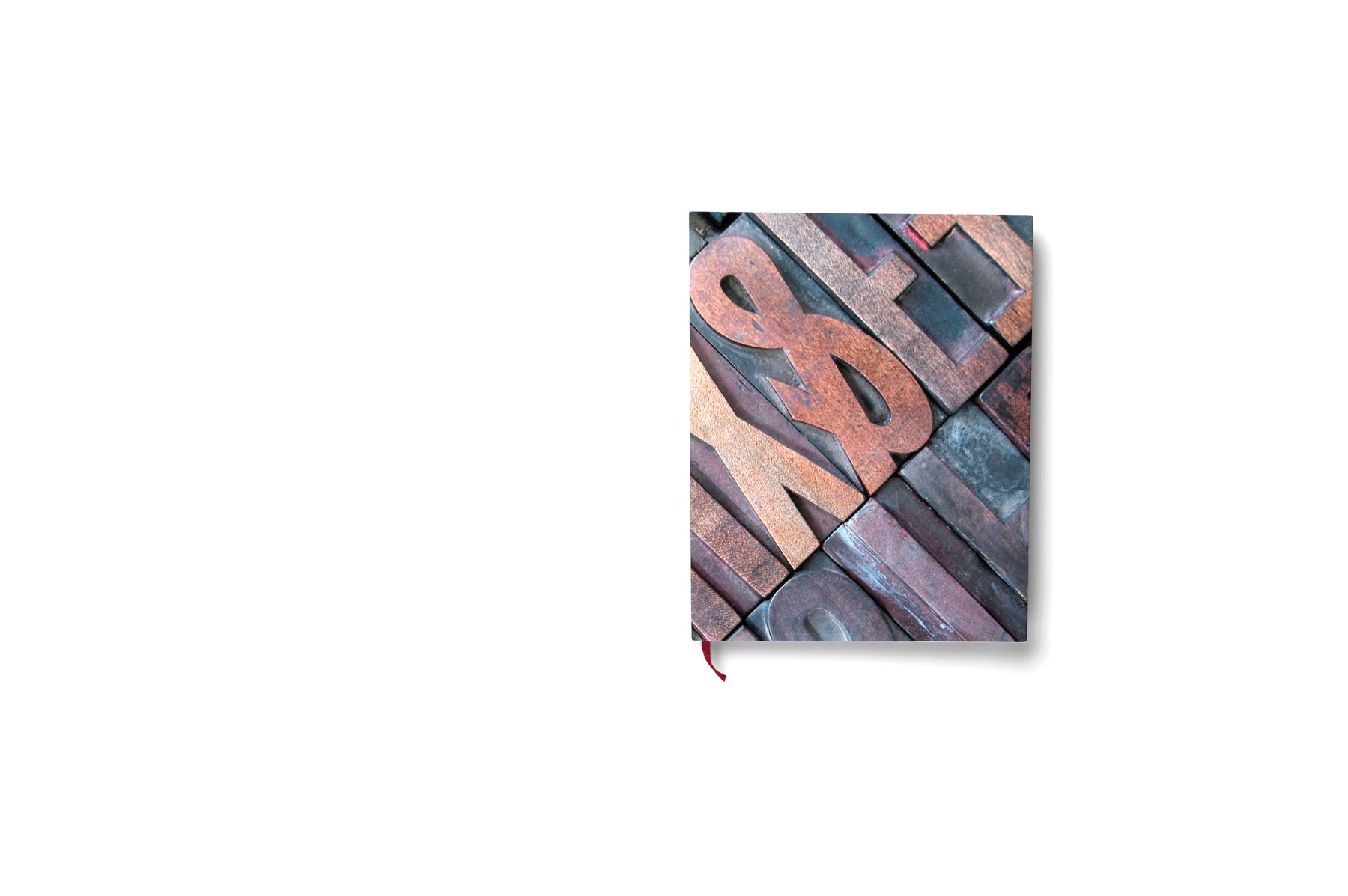
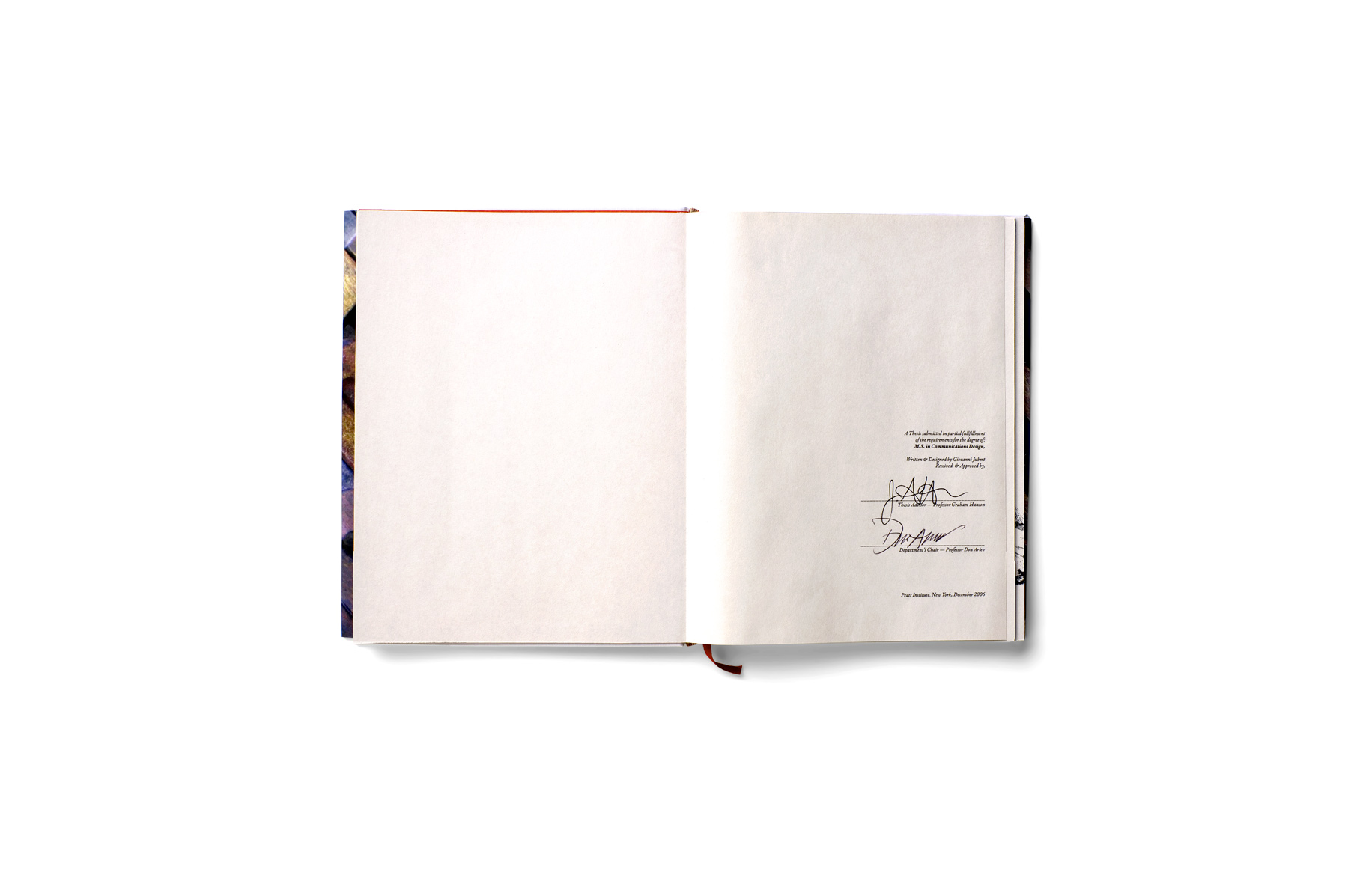
Historical Evolution of Letterforms — Towards a Smarter Typography in the Digital Age is a research-driven thesis project developed during my studies in the Graduate Communications Design Master Program at Pratt Institute, in New York.
Motivated by a desire to deepen my understanding of communication design at its most fundamental level, I chose to focus my research on letterforms and typography. Alongside the master’s program, I was fortunate to study calligraphy, typography and type design through additional coursework and lectures at Cooper Union and within the Type Directors Club, of which I was a member. These extracurricular studies complemented the typography curriculum at Pratt and played a key role in shaping my approach to type as both a historical and living system.
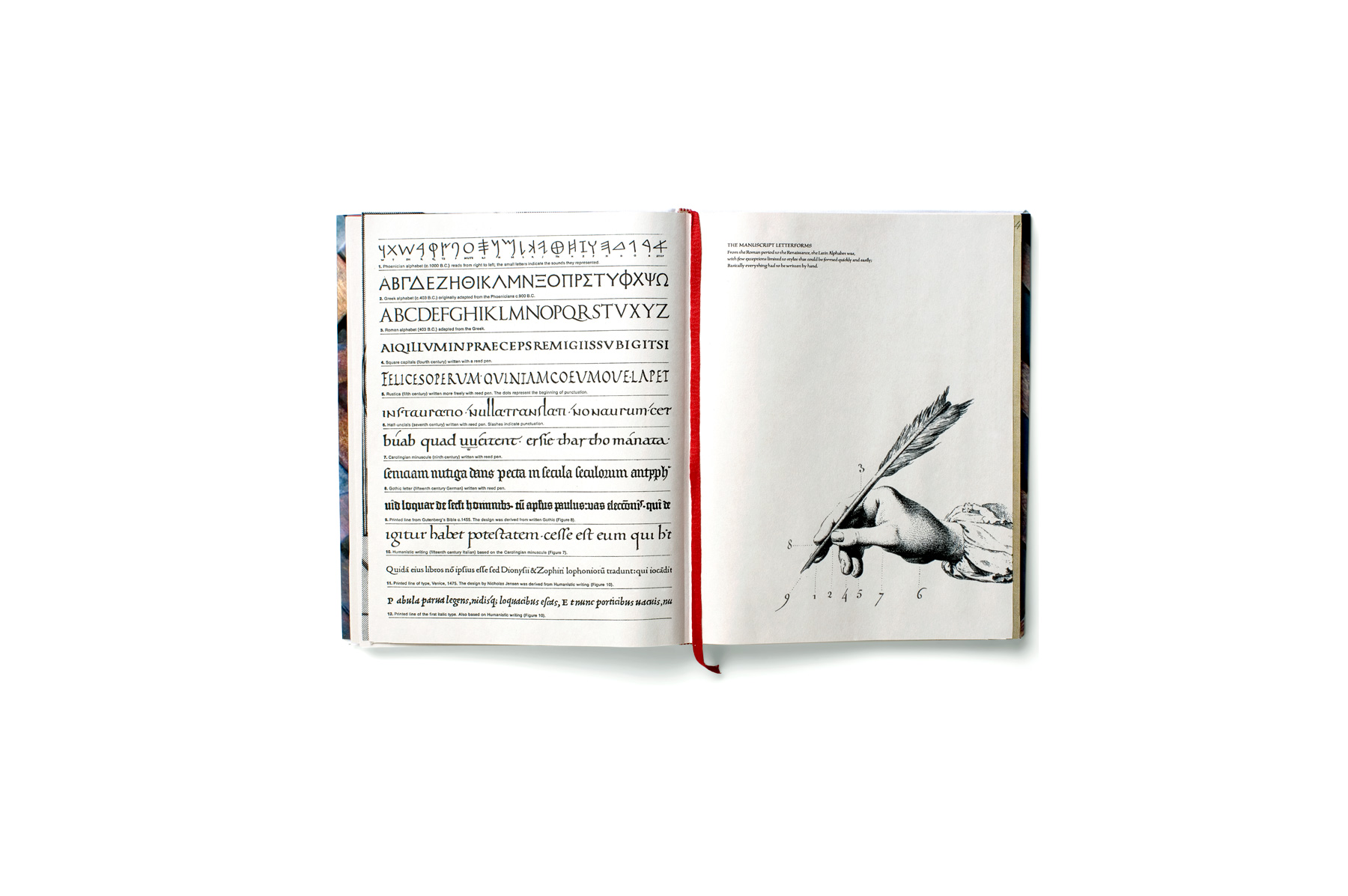
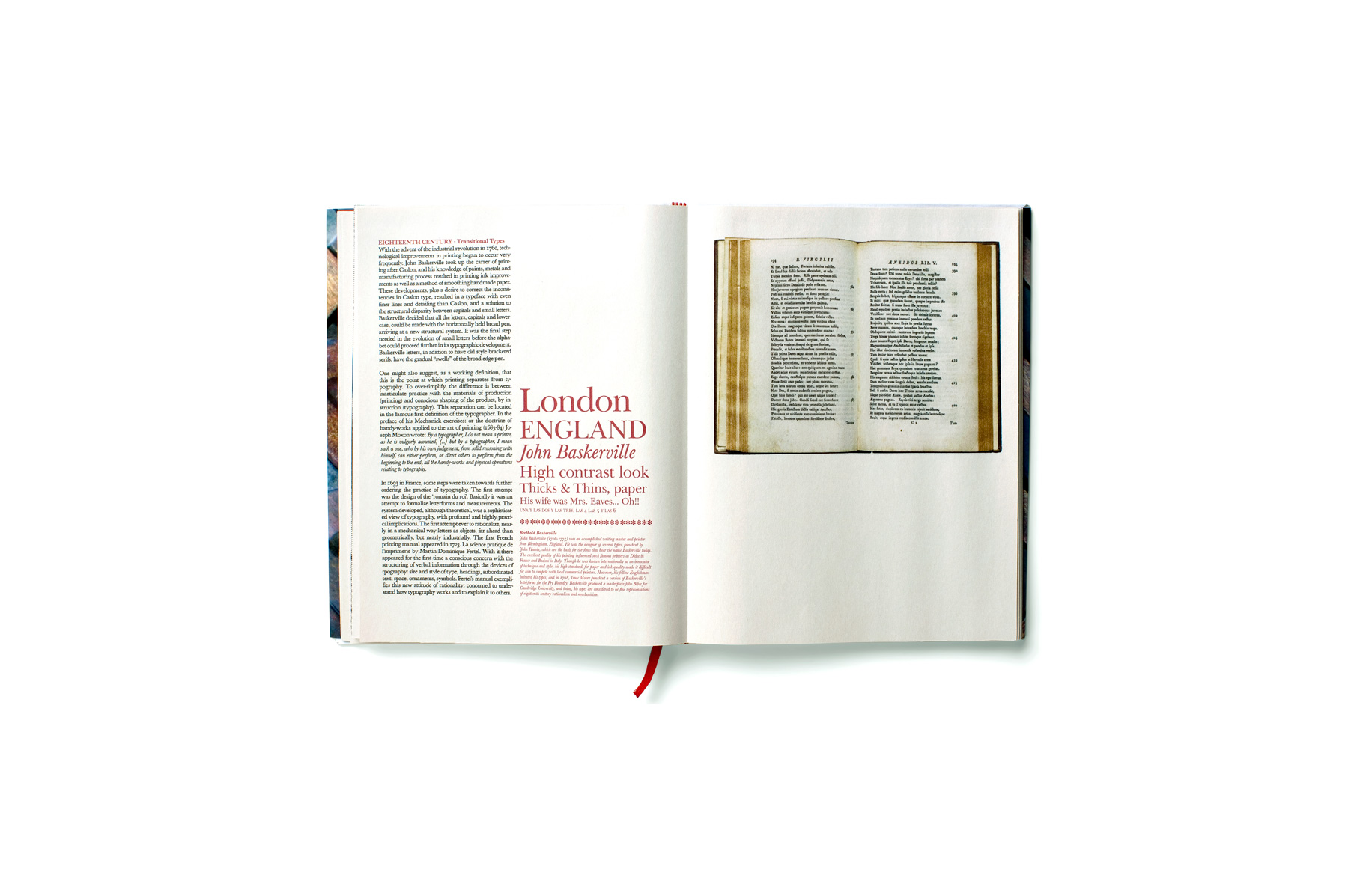
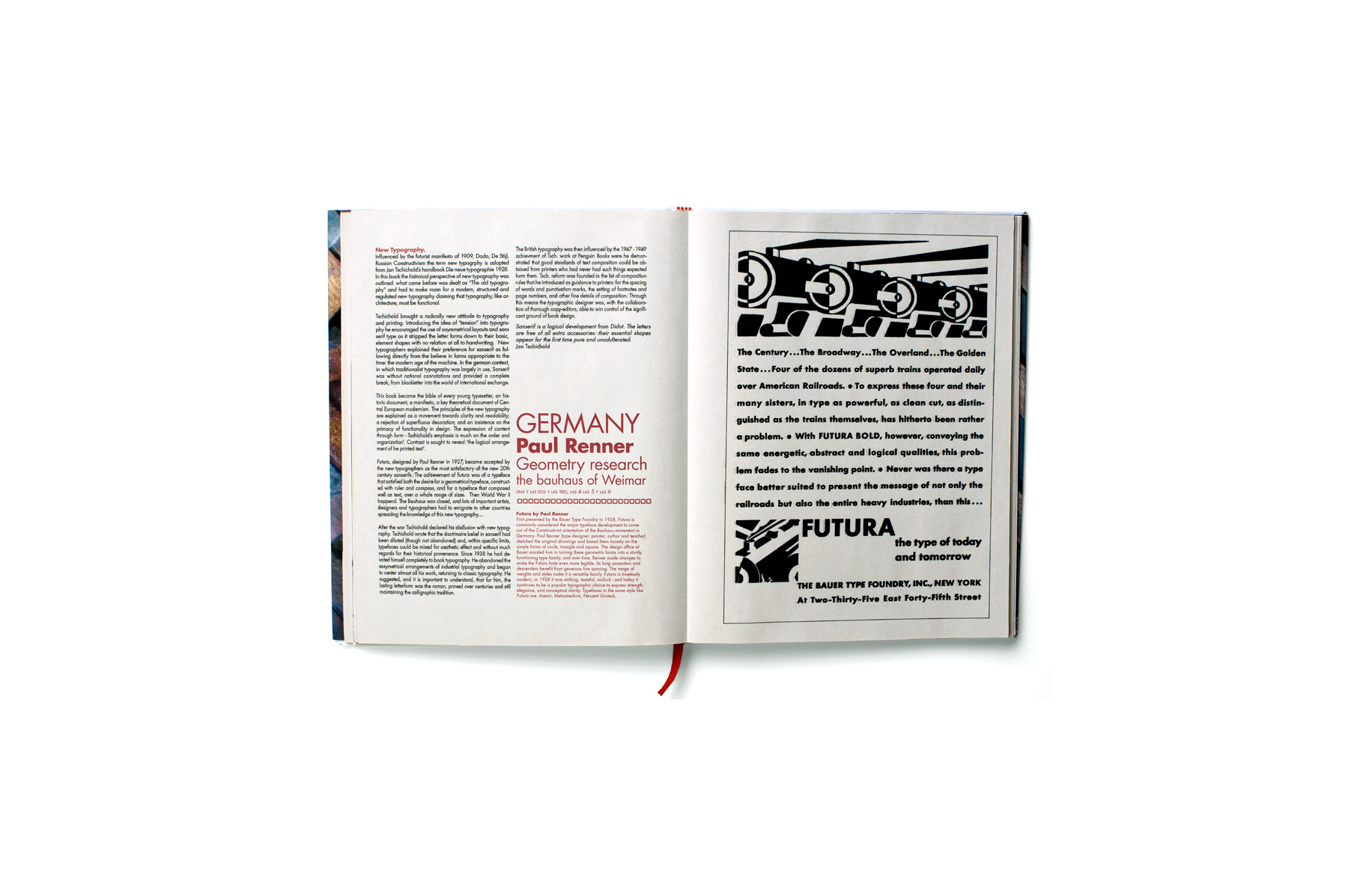
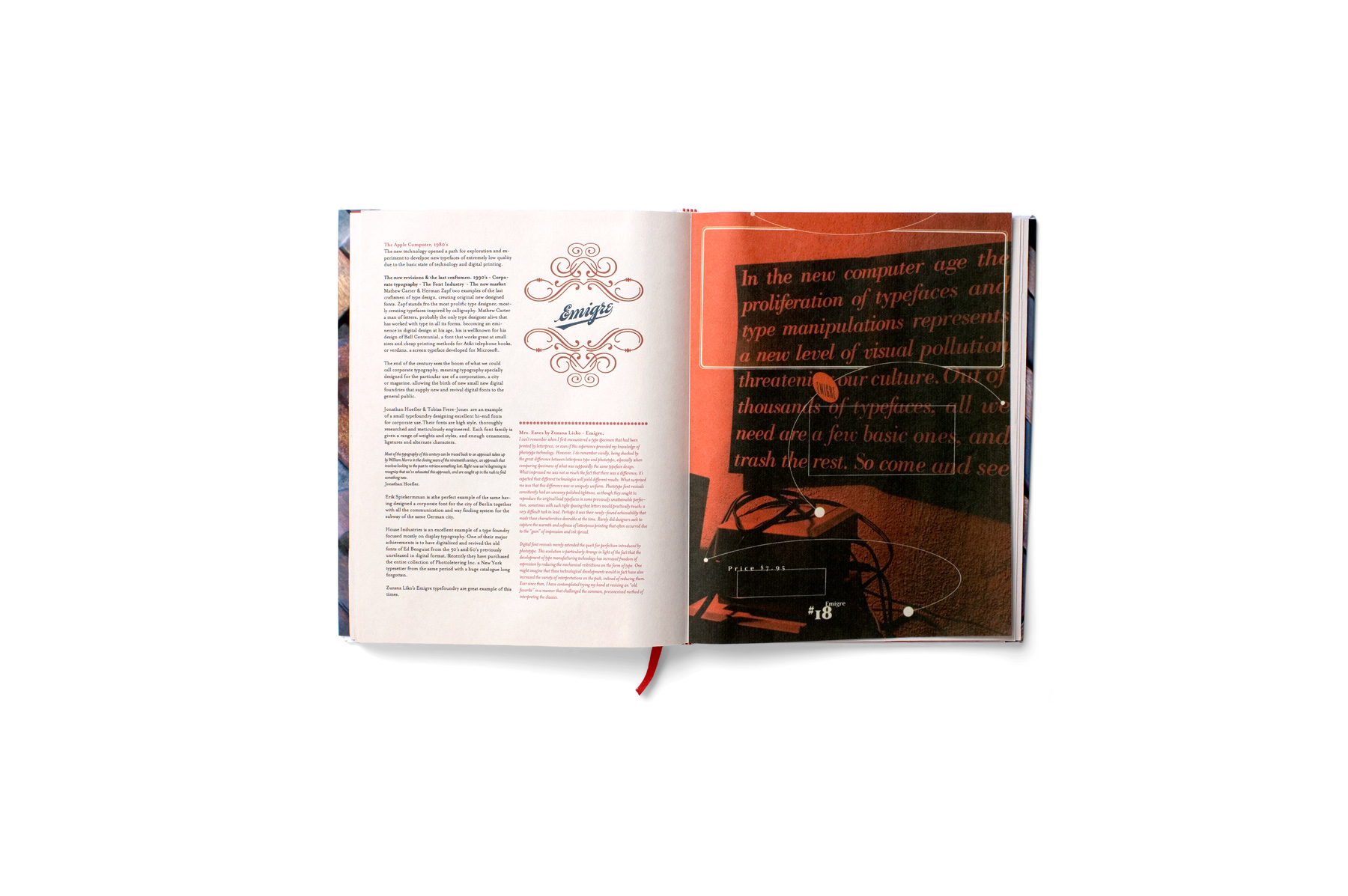
All of this research converged in my thesis project, which examined the historical evolution of letterforms, from early manuscripts and calligraphy, through movable type, to contemporary digital fonts and their technical formats. The project sought to trace not only formal changes, but also the cultural, technological and functional forces that have shaped typography over time.
The starting premise of the thesis was a critical observation: in the early 2000s, typography on screens was visibly poorer than print, both in quality and in diversity. Early web typography relied on a limited set of system fonts, resulting in visual uniformity and a neglect of the richness and nuance inherited from centuries of typographic and calligraphic tradition. The question was whether this legacy could be reintroduced into digital design, and if so, how.
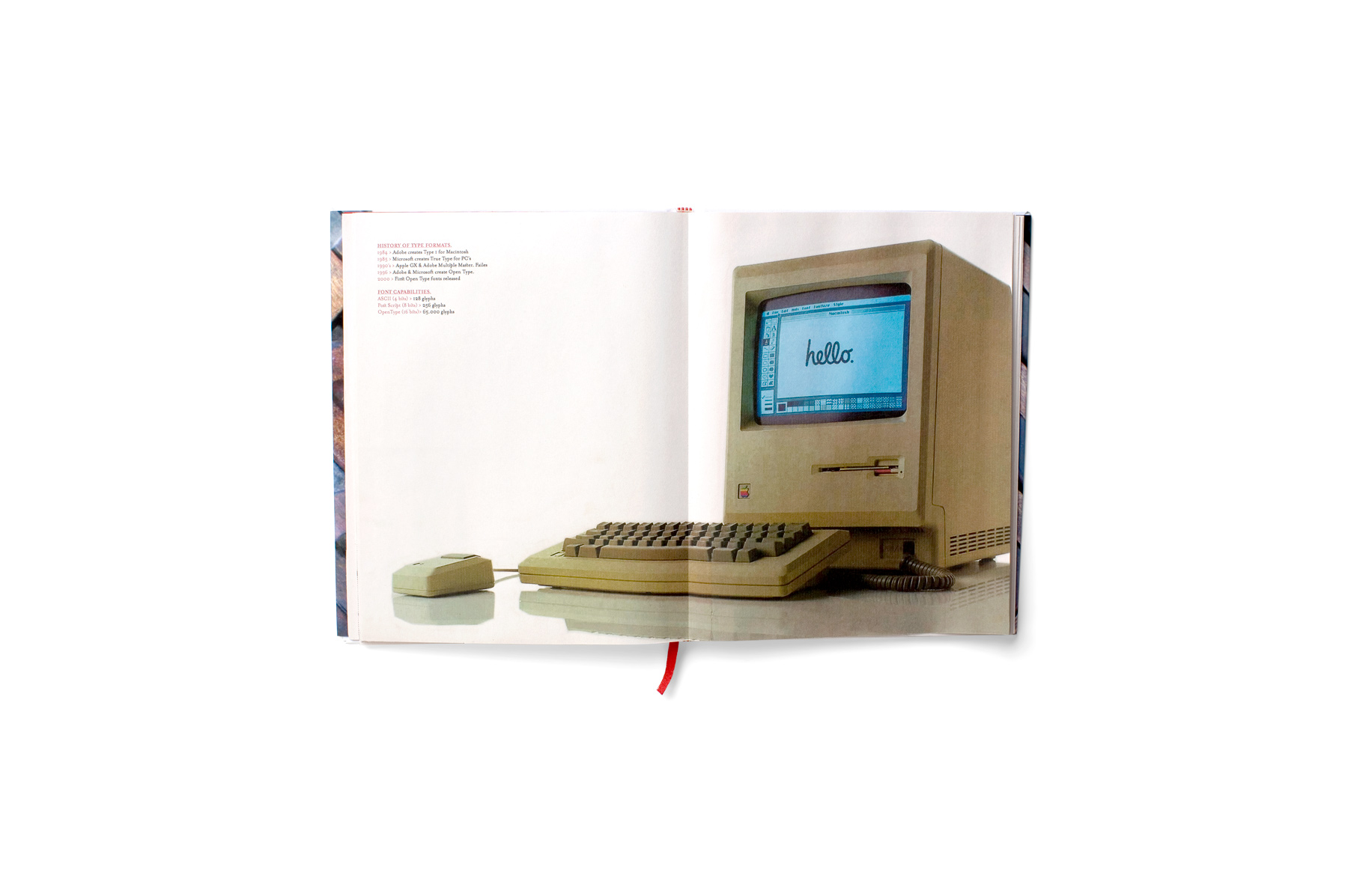
The research identified OpenType—then an emerging font format—as a pivotal technological shift. By vastly expanding character sets and typographic features, OpenType offered the possibility of restoring complexity, expressiveness and intelligence to digital typography. The thesis explored how these capabilities could bridge the gap between historical letterform traditions and the demands of contemporary screen-based communication.
This project stands as an early exploration of typography in the digital age, anticipating many of the advances that would later define modern web and screen typography. It reflects a belief that technology, when informed by history and craft, can elevate rather than diminish the quality of written communication.