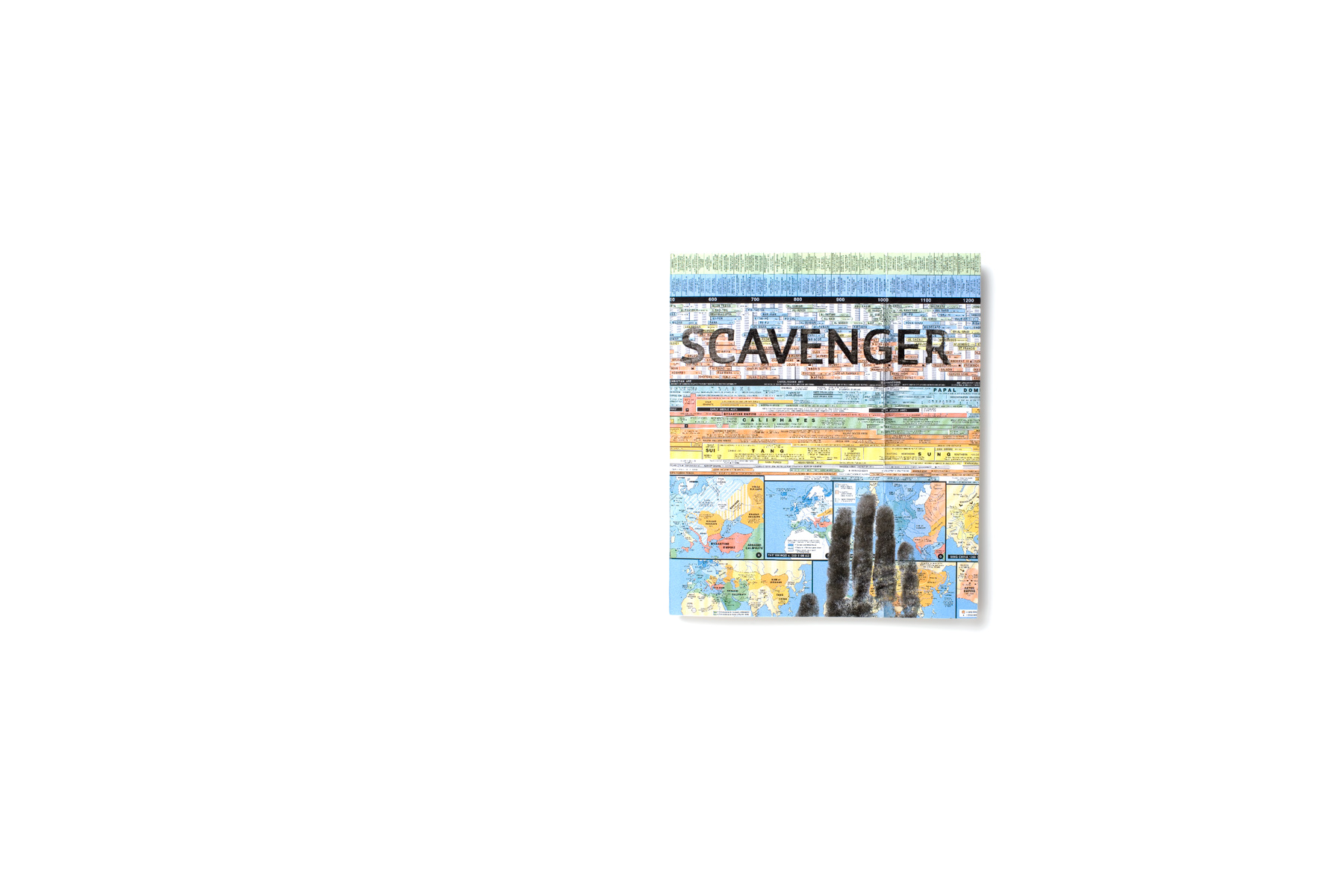
Scavenger is a graphic novel project developed in 2006 during the Graduate Communication Design Master Program at Pratt Institute, in collaboration with Brenda McManus and Miles Seiden. The project was conceived using the Surrealist method of the Exquisite Corpse (Cadavre Exquis), embracing chance, shared authorship and non-linear storytelling.
The Exquisite Corpse, invented by French Surrealists in 1925, is a collaborative technique in which words or images are assembled sequentially by multiple participants, each unaware of the full contribution of the others. Adapted from an earlier parlor game known as Consequences, the method relies on partial concealment and revelation, allowing unpredictability and collective intuition to shape the final outcome. Originally used to construct sentences, it later evolved into poems, drawings, collages and narrative forms.
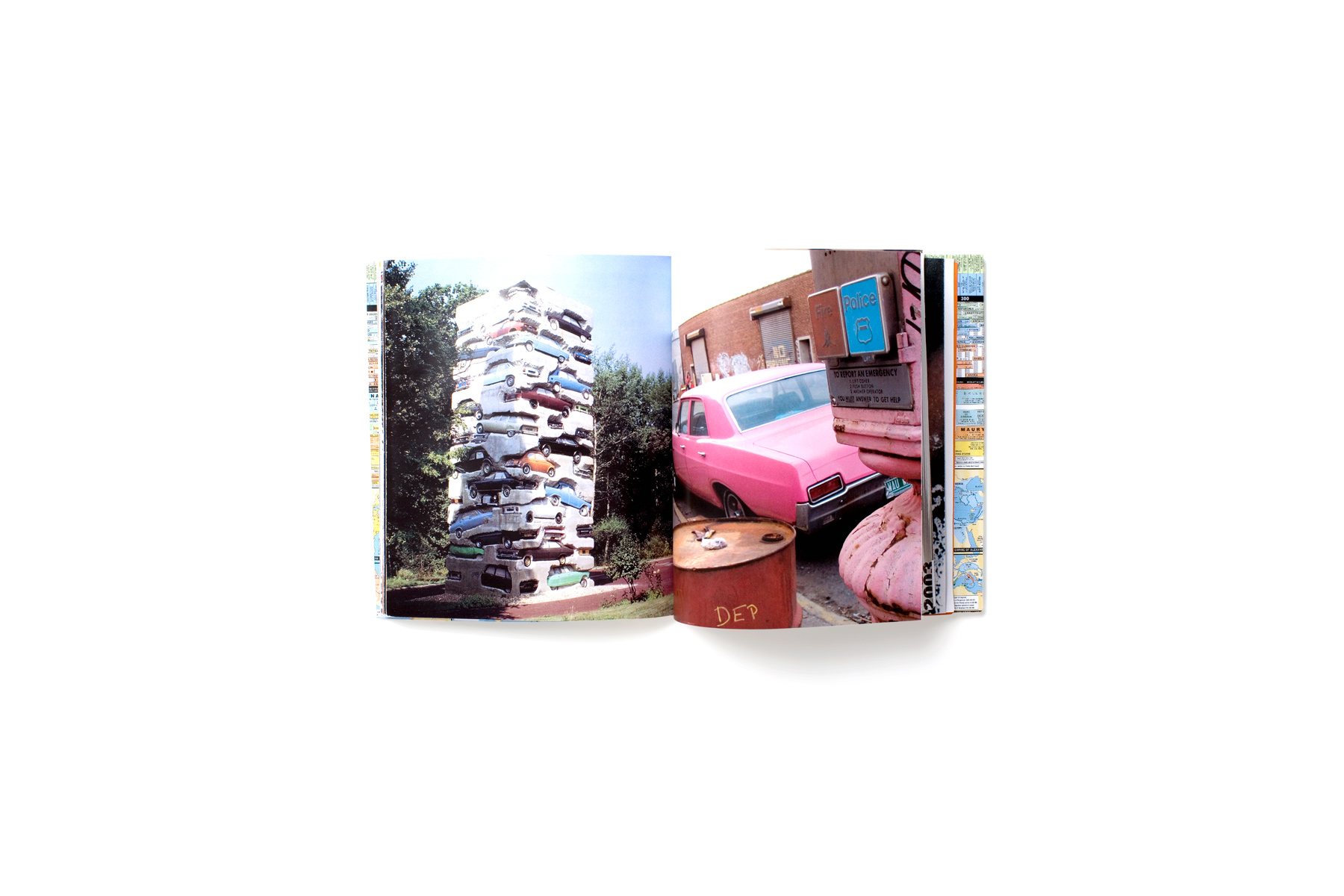
Starting from the theme Human Traces, we inverted the traditional research process by taking to the streets of New York to collect discarded objects—physical remnants of human presence—and allowing these findings to drive the narrative. Rather than dividing the book into sections, we followed a shared set of rules, responding to each other’s contributions and building the story collaboratively.
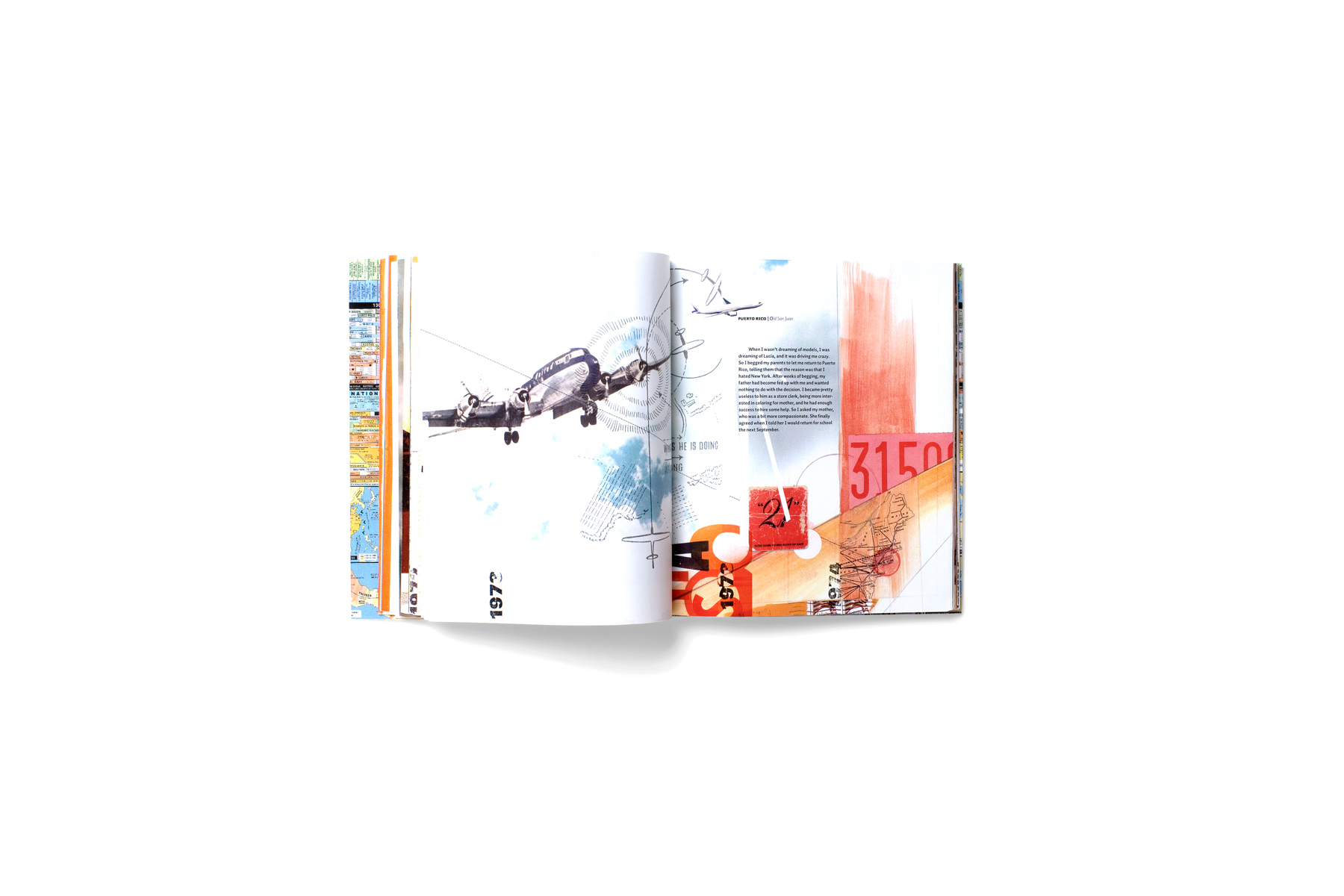
The graphic novel unfolds as a journal kept by an anonymous homeless scavenger, an aspiring installation artist who survives by collecting and reselling what society leaves behind. Each chapter is structured around accumulated objects, weaving together memory, chance encounters and fragments of personal history to form a non-linear portrait of New York City seen through its waste.
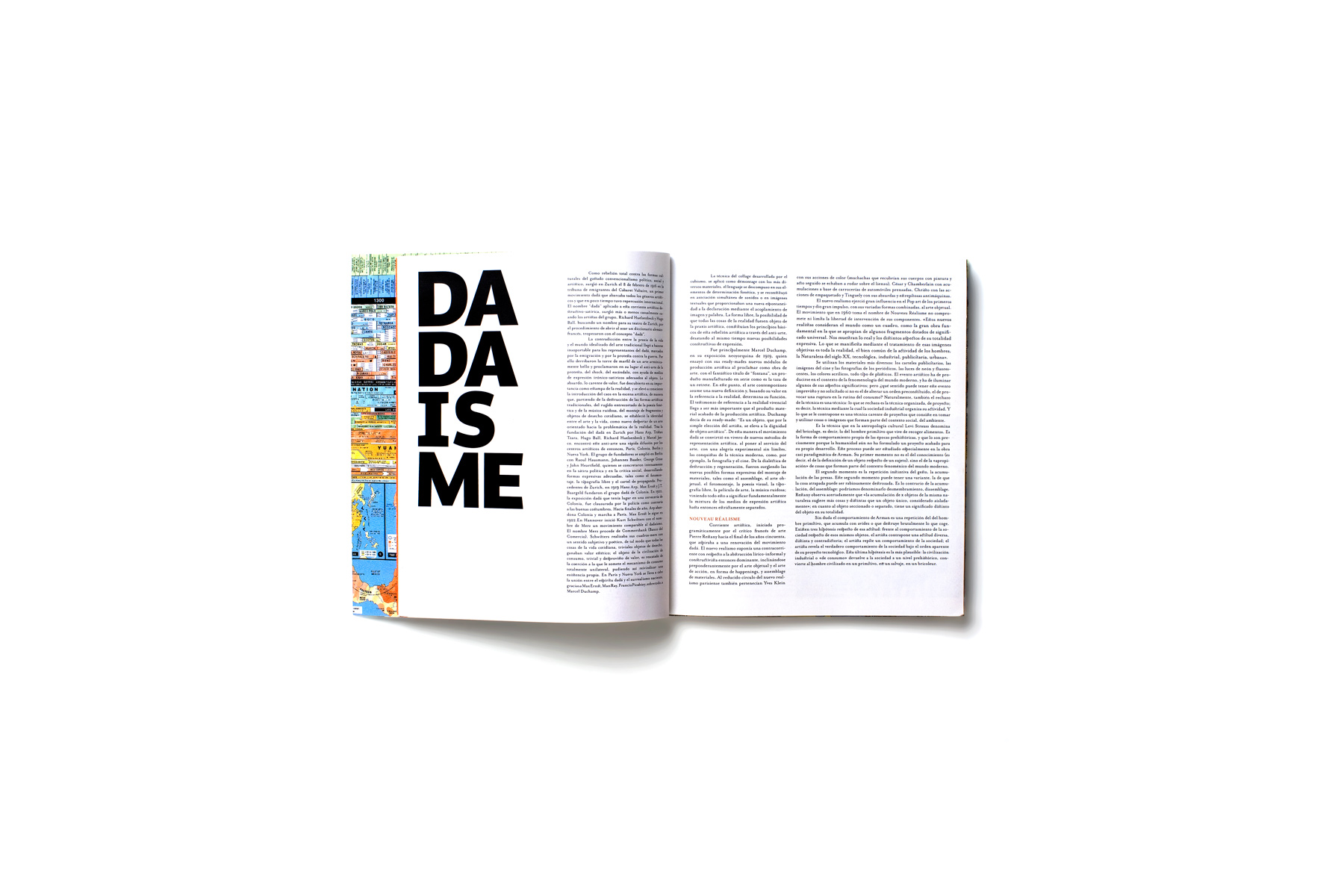
Visually, Scavenger draws from Dadaist and Nouveau Réalisme influences, combining photography, illustration and expressive typography. Layering, transparency and tactile elements mirror the randomness of urban life and the fragility of the narrator’s existence.
Scavenger stands as both a narrative and a method—an exploration of objects as storytellers, and of design as a means to assemble meaning from fragments, chance and collective creation.